Your First Anime Convention, Minus the Meltdown: A 2026 Field Guide
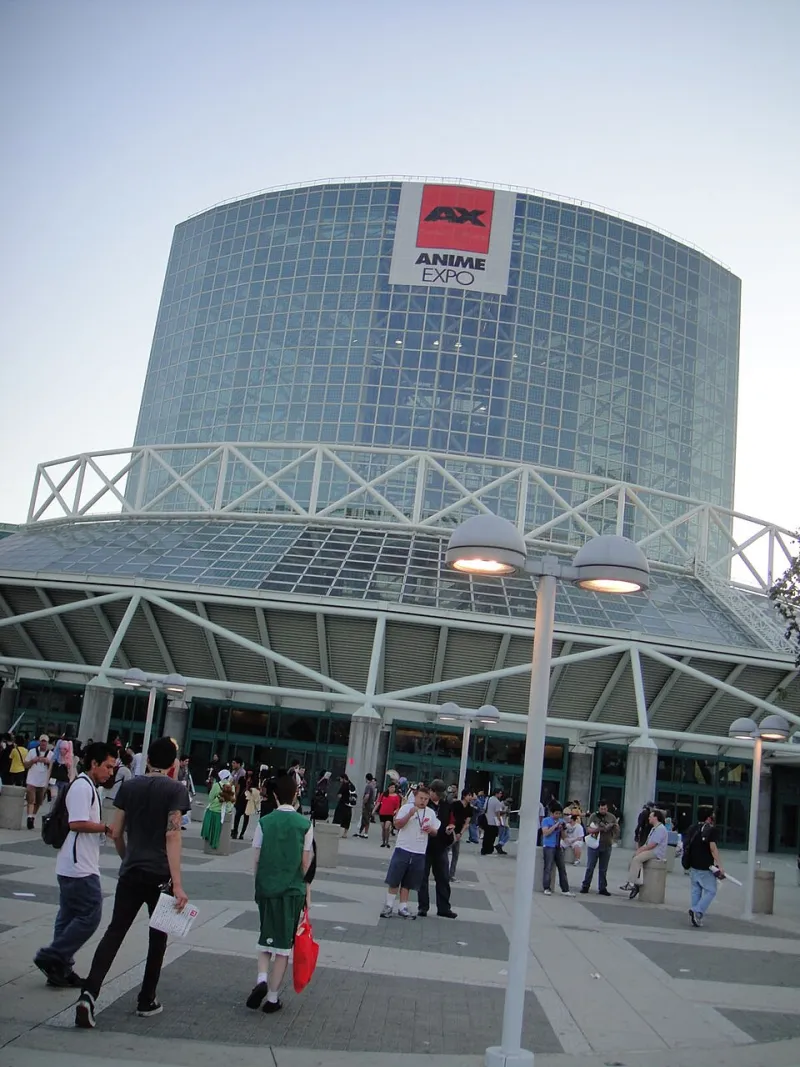
Photo: The Conmunity - Pop Culture Geek from Los Angeles, CA, USA, CC BY 2.0, via Wikimedia Commons
Everyone remembers their first convention — usually in the form of a specific mistake. The badge bought for the wrong day. The cosplay prop confiscated at security. The four-hour line for a panel that filled up before you got there. The $9 pretzel that became dinner.
Anime conventions in the US have grown enormously over the past decade, and the learning curve has grown with them. A first-timer in 2026 is walking into a professional-scale event with its own etiquette, its own economy, and its own unwritten rules. None of it is hard to learn. You just want to learn it before the doors open.
Pick the Con That Fits Your First Time
The biggest mistake is treating the largest event as the default. National-scale shows — the ones with tens of thousands of attendees and a convention center you can get genuinely lost in — are thrilling but punishing for a rookie.
Regional and mid-sized conventions are the better first run. Smaller guest lists mean shorter lines, panels that do not require a strategy, and an artist alley you can actually browse without feeling like a salmon swimming upstream. Many cities run one- or two-day shows that cover the basics: dealers room, cosplay contest, a handful of English and Japanese guests, and a community that is happy to see new faces.
Check dates early. Summer is crowded with competing events, and hotel blocks near popular venues sell out months in advance. Book the room before you book the cosplay.
The Budget Nobody Warns You About
The badge is the cheapest part of the weekend. Plan for four buckets:
- Travel and lodging. If the con is in a big city, a hotel within walking distance costs more but saves you rideshare surge pricing at midnight.
- Food. Convention center food is expensive and forgettable. Pack snacks and a refillable bottle, and identify one real meal spot near the venue before you arrive.
- The dealers room. Set a hard number before you walk in. Cash in hand is a natural limit.
- Artist alley. This is where people overspend, and it is also where the money goes directly to creators. Budget for it on purpose — a print or a commission is a better souvenir than an impulse plushie.
A realistic weekend for a mid-sized con lands somewhere between a nice weekend trip and a cheap vacation. Add a cushion for the thing you did not know you wanted.
Cosplay Rules, Written and Unwritten
The written rules are on the convention website. Read them before you build anything. Prop policies vary wildly between venues: some allow wooden swords and foam weapons with a peace bond, some ban anything that resembles a firearm, some require inspection at a designated desk. Length limits, metal content, and whether staff can tag your prop are all venue-specific.
The unwritten rules matter just as much. The phrase you will hear most is that cosplay is not consent — ask before you take a photo, and accept a no without commentary. Do not touch anyone's wig, wings, or armor without asking. If someone is sitting on the floor looking wrecked, they are probably taking a break, not posing.
And if you are not cosplaying at all, you are still welcome. Plenty of attendees show up in a T-shirt and jeans. Nobody is keeping score.
Panel Math and Line Strategy
Panels are the most mismanaged part of a first convention. Popular sessions fill up early, and the room does not expand because you wanted it to.
A few habits that save grief:
- Pick two must-see panels per day and treat everything else as optional.
- Arrive early for anything with a big-name guest, and understand that early may mean an hour.
- Read the schedule for room capacity, not just time.
- Do not schedule back-to-back panels across opposite ends of the venue. Halls are longer than they look on the map.
- Leave one open block per day. The best moments at a con usually happen in the gaps.
Autograph sessions often run on separate ticketing or lotteries now, especially for high-demand guests. Check the con's app or social accounts the week before — policies change and are usually announced late.
The 6-2-1 Rule and Other Survival Basics
Veterans pass around the 6-2-1 rule: six hours of sleep, two real meals, one shower, every day. It sounds like a joke. It is not. Convention crud is real, and it spreads through crowds that forget to eat.
Also worth packing: a portable charger, pain reliever, blister care, hand sanitizer, a light layer for over-air-conditioned halls, and a small bag you can keep on your body. If you are in cosplay, bring a repair kit — hot glue, safety pins, and a spare set of contacts if you wear them.
Accessibility matters too. Most large cons now offer badge options and quiet rooms for attendees who need a break from the noise. Ask ahead; the staff would rather answer the question than watch you struggle.
Being a Good Human in a Crowded Hall
Convention culture runs on small courtesies. Let people out of elevators before you get in. Do not block the aisle for a photo. Ask before filming a stranger for your vlog. Tip the artists whose work you photograph. Say thank you to the volunteers, who are usually working a long shift for a free badge.
If someone is being harassed, the right move is to check in with the person being targeted and, if needed, find staff. Most conventions have a clear reporting process and a code of conduct with real consequences attached.
Why It Is Worth the Chaos
The growth of anime conventions has not been friction-free — ticket demand, venue capacity, and guest scheduling have all gotten harder to manage. But the underlying thing that made these events work has not changed. It is a weekend where the thing you love is the default instead of the exception, and where the person next to you in line already knows the reference you were about to make.
Go in with a plan, a budget, and a spare hour. Then let the plan fall apart a little. That is usually when the good stories happen.