Falling for Pixels: Inside the Billion-Dollar Business of Loving Anime Characters
Let's get one thing out of the way: having a favorite anime character isn't weird. Caring about fictional people is basically the whole point of storytelling. But somewhere between "this character is my favorite" and "I spent $400 on a body pillow, three exclusive dakimakura covers, and a monthly subscription to an AI app that texts me as him every morning" — something shifted. And that shift is now worth an estimated $2 billion annually in the US market alone.
Welcome to the anime boyfriend (and girlfriend) economy. It's real, it's growing fast, and it's a lot more psychologically layered than the jokes about it suggest.
From Crush to Commerce
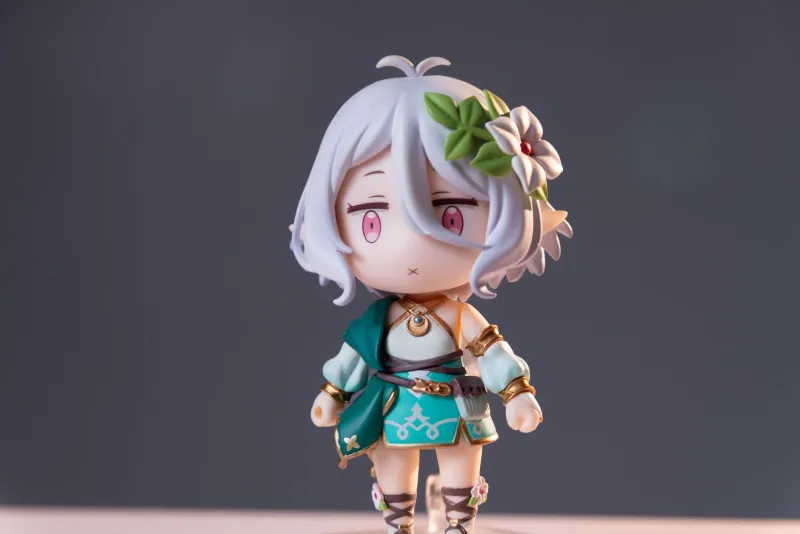
The infrastructure built around character attachment has quietly become one of the most profitable corners of anime fandom. Walk through any major convention floor — Anime Expo, Otakon, Crunchyroll Expo — and the evidence is everywhere. Acrylic standees, voice-acted audio drama CDs, limited-edition figure sets priced like small appliances, and "romantic scenario" merchandise that puts fans directly into the narrative with their chosen character.
But the physical goods are just the beginning. The digital side of this economy has exploded in the last three years. Dating simulation games — once considered a niche Japanese export that would never fully translate — have found enormous audiences stateside. Titles like Obey Me!, Mystic Messenger, and the ongoing juggernaut Genshin Impact (which blurs the line between action RPG and character relationship simulator) have proven that American players will absolutely invest time, money, and genuine emotion into fictional romantic dynamics.
Then there's the AI layer. Apps like Replika, Character.AI, and a growing number of anime-specific companion platforms now let users build ongoing "relationships" with characters — some officially licensed, many user-generated — that respond, remember, and evolve based on interaction. Subscription tiers for these services can run $20 to $50 a month, and retention rates are reportedly higher than most traditional streaming platforms.
Why It Hits Different for Gen Z
To understand why this market exploded when it did, you have to understand the emotional context Gen Z grew up in. This is a generation that came of age during social media's peak anxiety era, a global pandemic that physically isolated millions of teenagers during critical developmental years, and an ongoing mental health crisis that has made genuine human connection feel increasingly complicated and risky.
Against that backdrop, a fictional character who is always available, never judgmental, and perfectly calibrated to be emotionally satisfying starts to make a lot of sense.
Dr. research in parasocial psychology — the study of one-sided emotional bonds people form with media figures — has long established that these connections activate many of the same neural pathways as real relationships. They provide comfort, reduce loneliness, and can even build social confidence. For fans who struggle with anxiety, neurodivergence, or social isolation, a beloved anime character can function as genuine emotional scaffolding.
What's new isn't the feeling. It's the industry that's built up to monetize it at scale.
The Business of Belonging
Companies operating in this space have gotten remarkably sophisticated about how they deepen and sustain character attachment. It's not accidental.
Limited-time events in mobile games create urgency and scarcity around character content. "Story routes" in dating sims are gated behind premium currency, encouraging spending to unlock emotional payoff. Merchandise drops are timed to character birthdays — yes, fictional characters have official birthdays, celebrated by publishers with special releases — which transforms a passive fan into an active consumer on a predictable calendar cycle.
Some publishers have taken it further with "fan appreciation" content: voice actors recording personalized birthday messages in character, official social media accounts posting as the characters themselves, and interactive AR experiences that simulate the character existing in your physical space.
It's genuinely impressive marketing. It's also, depending on your perspective, a fairly calculated exploitation of loneliness.
The Criticism Worth Taking Seriously
Not everyone in the fandom community is comfortable with where this is heading, and their concerns deserve more than a dismissive eye-roll.
The core critique isn't that parasocial bonds with characters are inherently unhealthy — most researchers don't actually believe that. The concern is about what happens when profit-driven systems are specifically designed to deepen those bonds in ways that discourage real-world connection and maximize spending.
When an AI companion app is engineered to be more emotionally responsive than most human relationships, and when that app charges a monthly fee to maintain that responsiveness, the line between "healthy coping mechanism" and "predatory design" gets genuinely blurry. Several mental health advocates in the anime community have started raising alarms about users — particularly younger teens — who describe their AI character companions as their "only real relationship."
There's also a representation angle worth noting. The vast majority of "boyfriend experience" content is built around male characters designed for a presumed female or queer audience, while equivalent content for other demographics has historically been harder to find and less financially supported. The market is growing more inclusive, but unevenly.
Fandom or Something More?
Here's the honest truth: for most people engaging with this economy, it's just fun. Buying a figure of your favorite character, playing through a dating sim route, chatting with an AI version of someone you love from a show — these are leisure activities, and leisure activities don't need to justify themselves.
The fans who spend $200 on a limited Levi Ackerman figure aren't in crisis. They're doing exactly what fans have always done: finding ways to hold onto the things that make them feel something.
But the industry built around that feeling is worth scrutinizing, precisely because it's so good at what it does. The best parasocial products don't feel like products at all. They feel like relationships. And that's a remarkable achievement — one that comes with real responsibilities that not every company in this space is taking seriously.
Where It Goes From Here
The trajectory here is pretty clear. AI companion technology is improving fast. Augmented reality is getting cheaper and more accessible. The next generation of character-relationship products will be more immersive, more personalized, and more emotionally sophisticated than anything currently on the market.
For fans, that's exciting. For critics, it's concerning. For the companies building these products, it's a business opportunity unlike anything that's existed before in entertainment.
The anime boyfriend economy isn't a fad. It's an early signal of how human emotional needs — for connection, for intimacy, for being known — are going to be commercially addressed in the decades ahead. Whether that's a beautiful evolution of what storytelling can do, or a quietly troubling commodification of loneliness, probably depends on who's building it and why.
Either way, the pixels aren't going anywhere. And apparently, neither are our feelings about them.