Press Play on the Playlist: How Anime Music Became America's Newest Streaming Obsession
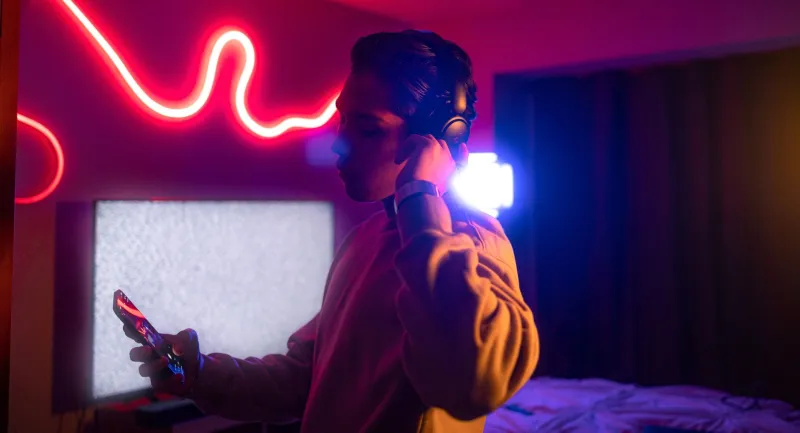
Somewhere between a chemistry exam and a late-night coding session, millions of American college students discovered something unexpected in their Spotify recommendations: a sweeping orchestral track from an anime they'd never watched. No subtitles required. No episode commitment. Just pure, cinematic sound that hit differently than anything on the pop charts.
That's the quiet revolution happening right now in the anime world — and it's coming through your earbuds whether you're a die-hard fan or someone who thinks anime is still just Saturday morning cartoons.
The Numbers Don't Lie
Anime soundtracks have been charting in places nobody predicted five years ago. Hiroyuki Sawano's work on Attack on Titan has racked up hundreds of millions of streams globally, with tracks like "YouSeeBIGGIRL/T:T" appearing in everything from gym playlists to wedding receptions. Yuki Kajiura, the composer behind Sword Art Online, Fate/Zero, and Puella Magi Madoka Magica, has built a fanbase so devoted that her solo concerts in the US regularly sell out before most people even realize tickets went on sale.
Spotify's own data has shown consistent year-over-year growth in anime OST streaming among US listeners aged 18–34. That's not a niche. That's a demographic. And music labels — both Japanese and Western — are starting to pay very close attention.
Lo-Fi Led the Charge
If you want to pinpoint a single gateway drug for American listeners, look no further than the lo-fi hip-hop boom. YouTube channels built around "lo-fi beats to study/relax to" started incorporating anime-inspired artwork and, eventually, anime-sampled music. Listeners who had never watched a single episode of Spirited Away were suddenly humming Joe Hisaishi melodies without knowing where they came from.
That curiosity had a ripple effect. People started searching for the source material. Playlists titled "anime OST for studying" multiplied like rabbits on Spotify and Apple Music. Suddenly, tracks from Your Lie in April, Violet Evergarden, and Clannad were sitting comfortably next to Bon Iver and Norah Jones in mood-based listening sessions.
The lo-fi scene didn't just borrow from anime culture — it became a genuine on-ramp for it.
Composers as Celebrities
Here's where things get really interesting: Western audiences are starting to follow composers the way they follow artists. That's a big deal. In American pop culture, the person behind the music is almost always a singer or rapper. The idea of becoming a fan of a film or TV composer — someone who never steps in front of a microphone — is pretty unconventional.
But Hiroyuki Sawano and Yuki Kajiura have cracked that code. Sawano, who also records under the alias SawanoHiroyuki[nZk], blends orchestral arrangements with electronic production and occasional vocal features in a way that feels genuinely fresh. His work doesn't sound like background music. It sounds like the main event. Fans on Reddit and Twitter dissect his compositions with the same energy people bring to analyzing Taylor Swift albums.
Kajiura, meanwhile, has cultivated an almost cult-like following through her FictionJunction project and her collaborations with vocalist Kalafina. Her signature sound — layered female harmonies over minor-key strings — has a texture so distinctive that longtime listeners can identify her work within seconds. That kind of sonic branding is rare. It's the kind of thing that turns listeners into lifelong fans.
Discovery in Reverse
One of the most fascinating shifts happening right now is the order in which new fans are encountering anime. Traditionally, the pipeline went: watch show → fall in love with soundtrack → seek out more music. Increasingly, that pipeline is running in reverse.
American listeners are hearing a track in a playlist or a TikTok video, Shazam-ing it, discovering it's from an anime, and then deciding to watch the show. Music is becoming the entry point, not the bonus content. For a medium that has sometimes struggled to hook casual American viewers past the first few episodes, this is genuinely significant.
Streaming platforms have picked up on this trend too. Spotify now features dedicated anime music hubs and curated playlists during major anime premiere seasons. When Demon Slayer: Mugen Train dropped, the film's soundtrack — featuring LiSA's "Homura" — surged on global charts almost simultaneously with the movie's theatrical run in the US. That kind of synchronized cultural moment used to be reserved for Marvel films and Beyoncé album drops.
Beyond the Big Names
While Sawano and Kajiura get most of the mainstream attention, the ecosystem runs much deeper. Composers like Kana-Boon, MYTH & ROID, and (K)NoW_NAME have passionate followings among listeners who specifically seek out anime opening and ending themes as standalone singles. The J-pop and J-rock acts that record anime tie-in songs — artists like Aimer, RADWIMPS, and Eve — are building American fanbases that rival some mid-tier Western pop acts in terms of engagement and loyalty.
Aimer in particular is worth watching. Her voice has a smoky, almost fragile quality that translates beautifully across language barriers. Her collaborations with Sawano and her solo work on Fate/stay night: Heaven's Feel have made her one of the most-streamed Japanese artists in the US among listeners who primarily identify as anime fans first, music fans second.
What This Means for the Community
For the anime fandom in America, this musical renaissance is something to genuinely celebrate. It's broadening the tent in a way that feels organic rather than forced. People aren't being marketed to — they're stumbling into something they love on their own terms, through playlists and algorithms and TikTok rabbit holes.
That kind of discovery tends to stick. Someone who finds anime through its music isn't just a passive viewer. They're already emotionally invested before they press play on episode one. They've already felt something.
And honestly? That might be the most powerful recruitment tool the anime world has ever had — not a trailer, not a collab, not a Netflix push notification. Just a beautiful piece of music playing at the right moment, doing exactly what great music has always done.
Turning strangers into fans, one track at a time.